Save 10% When You Schedule Before Christmas
Protect More of Your Home With Roof Installation Services in Simpsonville, SC, Greenville, and Surrounding Areas
Replace an aging or damaged roof with a system built layer by layer. We oversee tear-offs, underlayment, flashing, and shingle installation with attention to the roof beneath the finished surface.
Build Protection From the Roof Deck Out
A roof is more than the shingles visible from the street.
The finished surface is part of a larger system that helps protect the home from weather and unwanted water entry. Beneath those shingles are additional materials and construction details that contribute to how the completed roof performs.
When an existing roof has reached the point where replacement is necessary, those layers matter.
Carter Eli Construction provides roof installation services for residential properties in Simpsonville, SC. With over 16 years of construction experience, we approach roofing as part of the building envelope rather than treating it as a surface-level improvement.
Our work can include roof tear-offs, underlayment, flashing, and shingle placement as part of the new installation.
Each stage has a purpose.
Removing the existing roofing exposes the conditions beneath it. Underlayment adds an important layer below the finished roofing. Flashing addresses areas where roof surfaces and adjoining building components require careful water-shedding details. Shingles create the exterior roofing surface that remains directly exposed to the weather.
Those components need to work together.
Carter Eli Construction has more than 50 people working across the company, giving us manpower to keep substantial construction projects moving efficiently. Owner Simeon Littlejohn remains involved in the business, and hands-on oversight is part of how we manage the work.
For homeowners, the objective is not simply a roof that looks newer.
It is a new roofing system installed with attention to the layers protecting the home beneath it.
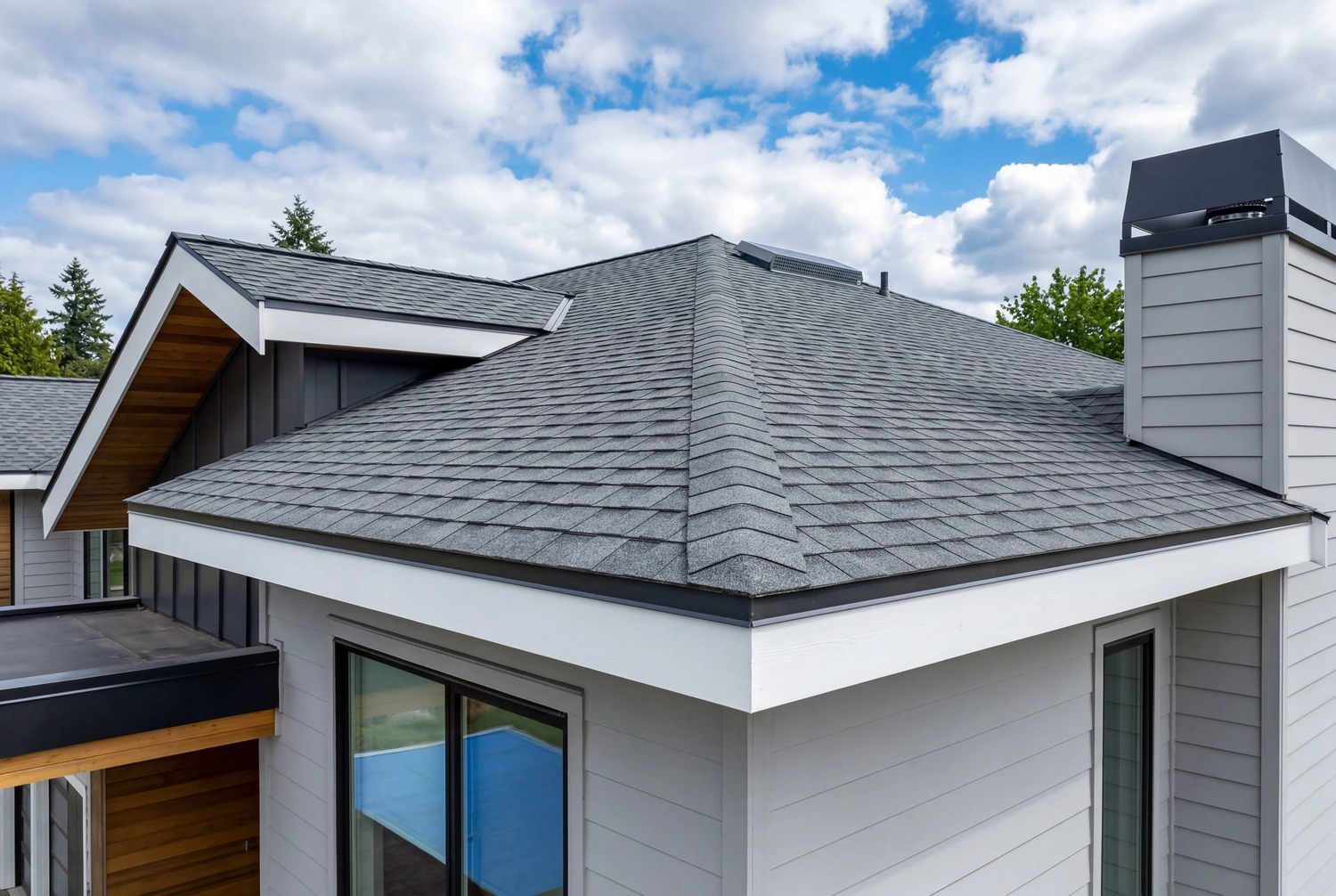
Know When an Aging Roof Needs More Than Another Small Repair
Roofing materials do not remain unchanged forever.
Years of sun, rain, wind, temperature changes, and general weather exposure can leave an older roof showing substantial wear. Shingles may deteriorate, and repeated roofing concerns can make homeowners question whether continued repairs are still addressing the larger problem.
At some point, roof replacement services may become the more practical direction.
The decision should be based on the condition of the existing roofing and the extent of the issues affecting it.
A new roof installation creates an opportunity to move beyond repeatedly addressing individual visible problems and replace the roofing system through a more complete construction process.
That process begins by looking at what is already on the home.
The existing roofing needs to be removed within the replacement scope so the installation can progress from the underlying conditions outward.
This is one reason Carter Eli Construction’s broader building experience is useful.
We understand that roofing is connected to the larger structure.
Water that moves past the exterior roofing surface can threaten materials beneath it and eventually affect interior areas. The roof therefore plays a critical role in protecting more than the uppermost portion of the building.
Replacing an aging system is about restoring that protective role.
Remove the Old Roofing Before Building the New System
A roof tear-off marks an important transition during replacement.
The old roofing system has reached the end of its role in the project, and the home needs to be prepared for the materials that will replace it.
Removing existing roofing also allows the work to move closer to the roof decking beneath the finished surface.
That underlying condition matters because later roofing materials depend on what supports them.
Carter Eli Construction oversees tear-offs as part of the larger installation rather than treating removal as disconnected demolition.
The objective is to move deliberately from the existing roof into the new roofing system.
Once the old materials included in the scope have been removed, attention can shift to the conditions that need to be addressed before later layers are installed.
This sequence helps keep the project organized.
Tear-off comes before the new roofing layers. Preparation supports underlayment. Flashing and shingles need to fit into the larger roof system rather than being treated as unrelated installation steps.
Our hands-on approach keeps attention on that progression from removal through completion.
Pay Attention to the Roof Deck Beneath the Finished Surface
Homeowners spend most of their time looking at the exterior roofing material, but the roof decking beneath it is part of the construction supporting the system.
That makes its condition relevant during roof replacement.
A finished roof should not be considered only from the outside inward. The materials underneath the shingles influence what later installation work has to build upon.
Carter Eli Construction’s structural building experience helps us maintain that perspective.
When existing roofing is removed, the project can move forward with greater awareness of the construction beneath the previous surface.
The specific work required depends on the conditions encountered and the agreed project scope.
The important point is that the finished shingles should not distract from the construction supporting them.
This is consistent with the way we approach building throughout our company.
Visible finishes matter, but the work behind them matters too.
For residential roof installation, that means keeping the roof deck and underlying system in mind before the final roofing surface is complete.
Add Underlayment Before the Finished Roofing Goes Down
Underlayment sits beneath the exterior roofing material and forms part of the layered roof system.
Although homeowners may never see it after construction is complete, its placement is still an important part of the installation process.
Carter Eli Construction includes attention to underlayment as the roof progresses from the prepared surface toward the finished shingles.
This is another example of why roofing should be viewed as a system.
The shingles are not expected to do every job by themselves.
Different components contribute to the overall assembly, and the installation sequence helps those components perform their intended roles.
Underlayment needs to be placed before the shingles that will cover it.
Once later roofing materials are installed, the underlying layer is no longer readily visible. That makes careful work during this stage important.
We focus on completing each stage with the later roofing work in mind.
For homeowners, that means attention is going to more than the part of the roof visible from the ground.
Use Flashing Where Roofing Meets Critical Transitions
Roofs contain transitions.
Different surfaces and building components can meet in areas where water needs to continue moving away from the interior of the home.
Roof flashing installation helps address these critical transitions.
Flashing is therefore not simply another roofing accessory. It is part of how the overall roof system handles areas where materials and surfaces meet.
Carter Eli Construction pays attention to flashing as part of the installation process.
The exact locations and requirements depend on the roof and project, but the larger principle remains the same: transitions deserve deliberate construction details.
Water tends to expose weaknesses.
If a roof has vulnerable connection points, those areas can become pathways for unwanted moisture.
That is why we do not view shingle placement as the entire roofing job.
A residential roof installation needs to consider the details surrounding the finished roofing surface as well.
Our construction background reinforces that approach because transitions matter throughout building work. Where different materials or structural elements meet, careful installation helps the completed assembly function as intended.
Roofing is no different.
Install Shingles as Part of the Complete Roofing System
Shingles create the most visible layer of many residential roofs.
They also face direct exposure to the weather.
Shingle roof installation therefore needs to be completed with attention to placement and the layers supporting the finished surface.
Carter Eli Construction handles asphalt shingle roof installation as part of our residential roofing work.
The process remains connected to what happened earlier.
The existing roof has been addressed. The underlying conditions have been considered. Underlayment has been installed as required. Flashing details are incorporated where relevant. Shingles then complete the visible exterior surface.
Treating these stages as one connected process is important.
A roofing project should not become a race to get new shingles onto the house as quickly as possible while overlooking the work beneath them.
Our focus on efficient timelines comes from planning, manpower, and organized sequencing.
That allows the project to keep moving while maintaining attention to the installation stages the final shingles depend on.
Replace a Storm-Damaged Roof When the Damage Calls for It
Severe weather can change the condition of a roof quickly.
A system that had been functioning may sustain damage significant enough to raise concerns about continued protection from the elements.
When storm damage is severe, homeowners may need to consider whether repair is sufficient or whether roof replacement is the appropriate next step.
Carter Eli Construction can provide new roof installation when replacement is needed.
The focus remains on rebuilding the roofing system rather than simply covering visible damage.
That can mean removing affected roofing materials within the project scope and progressing through the necessary installation stages to establish a new exterior system.
The reason for acting on serious roof damage is straightforward.
The roof helps keep weather outside the home.
When that protection has been compromised, water can threaten the materials below the roofing and potentially move farther into the building.
A properly executed replacement gives the home a new protective roofing assembly instead of leaving major damage to develop further.
Protect More Than the Ceiling Below the Roof
Roof leaks may first become obvious inside the home as stains or moisture around a ceiling, but the roofing system protects much more than that visible interior surface.
Water entering through a compromised roof can encounter decking and other building materials before signs become noticeable indoors.
That makes the roof part of the larger building envelope.
Its role is to help separate the interior structure from exterior weather.
Roof replacement services address that role at the top of the home.
For Carter Eli Construction, this is another reason structural construction experience matters.
We understand the relationship between roofing and the rest of the building.
A new roof installation should therefore be approached as protection for the home beneath it, not simply an exterior appearance upgrade.
Homeowners may appreciate the visual change that comes with new shingles, but the greater value is functional.
The new system is there to stand between the structure and the weather.
Keep the Home Covered With an Organized Installation Timeline
Roof replacement creates a practical concern for homeowners: the existing roofing needs to come off before the new system is complete.
That makes project organization particularly important.
Carter Eli Construction focuses on efficient installation timelines supported by planning, available manpower, and hands-on supervision.
With more than 50 people working across our company, we have workforce capacity to keep substantial construction work moving.
Efficiency does not mean skipping installation stages.
The tear-off still needs to happen appropriately. Underlying conditions still need attention. Underlayment, flashing, and shingles need to follow the required construction sequence.
Our objective is to reduce avoidable delays between those stages.
Roofing is directly exposed to the weather, so keeping the project moving has practical importance beyond convenience.
Planning the work and coordinating manpower helps us move from the old roof toward the completed new system without treating speed as a substitute for workmanship.
Back the New Roof With a Two-Year Workmanship Warranty
The value of roof installation continues after the final shingle is in place.
Carter Eli Construction backs its workmanship with a two-year warranty.
That provides continued workmanship coverage after active installation is complete.
The warranty supports a roofing process built around more than the visible exterior.
We bring over 16 years of construction experience, a 50-plus-person workforce, and hands-on oversight to residential roofing projects.
Our focus includes tear-offs, the underlying roof construction, underlayment, flashing, and shingle placement.
Each part contributes to the finished result.
For homeowners choosing Carter Eli Construction for roof installation services, the objective is a roofing system built through an organized sequence and supported by a defined workmanship commitment after completion.
Frequently Asked Questions About Roof Installation
-
A new roof installation may be appropriate when an existing roofing system has experienced severe wear, significant aging, or storm damage that makes replacement a better option than continuing isolated repairs.
The actual condition of the roof should guide the project.
Replacement allows the existing roofing to be removed within the project scope and a new system installed from the underlying conditions outward.
-
Yes. Carter Eli Construction provides residential roof installation for homeowners who need a new roofing system.
Our work can include tear-off, underlayment, flashing, and shingle installation, with attention to the construction beneath the visible roofing surface.
-
A tear-off removes existing roofing materials included in the replacement scope so the project can progress toward the new system.
This stage also brings the work closer to the roof decking and underlying conditions that later roofing materials will depend on.
We keep tear-off connected to the larger installation sequence.
-
Yes. Shingle roof installation is part of our residential roofing work.
We approach shingles as the visible exterior layer of a larger system that also includes the underlying construction, underlayment, and flashing details relevant to the roof.
-
Yes. Carter Eli Construction provides asphalt shingle roof installation for residential properties.
The shingles are installed as part of the overall roofing process rather than treated as the only component responsible for protecting the home.
-
Flashing helps address roof transitions where different surfaces or building components meet.
These areas require attention because the roofing system needs to continue directing water away from the interior.
We consider flashing part of the larger roof installation rather than an unrelated detail.
-
Underlayment forms part of the layered roofing assembly beneath the finished exterior material.
It is installed before the shingles that later cover it.
Because this layer becomes hidden after the roof is complete, attention during installation is important.
-
Yes. When storm damage creates a need for replacement, Carter Eli Construction can provide roof replacement services and install a new roofing system.
The exact scope depends on the condition of the property and the roofing affected by the event.
-
We combine planning, hands-on oversight, and a workforce of more than 50 people.
Our goal is to coordinate tear-off, preparation, underlayment, flashing, and shingle work in an organized sequence that reduces unnecessary delays without rushing required installation details.
-
Yes. Carter Eli Construction backs its workmanship with a two-year warranty.
That provides continued workmanship coverage after the roof installation is complete and the new roofing system begins protecting the home.
Put a New Protective Layer Between Your Home and the Weather
Tell us what is happening with your roof. We can discuss its condition, tear-off needs, underlayment, flashing, shingles, and whether replacement fits the project.